Wednesday, July 30, 2025

Can Lifestyle Changes Protect the Brain from Alzheimer’s? A Landmark Study Says Yes


Olives Couto, 65, often worried: “Will I end up with Alzheimer’s like my mother?”

So, when she learned about a two-year brain health study being conducted nearby in Rhode Island, she eagerly signed up — and the experience changed her life.

๐Ÿง  The U.S. POINTER Study: A National Clinical Trial on Brain Health

A new large-scale study conducted at Butler Hospital’s Memory and Aging Program in Providence, Rhode Island, found that healthy lifestyle changes — including regular physical activity, a brain-healthy diet, and social engagement — can improve brain function in older adults at risk of dementia.

The trial is part of the national U.S. POINTER study (Protect Brain Health Through Lifestyle Intervention to Reduce Risk), organized by the Alzheimer’s Association. It’s the first large clinical trial in the U.S. testing whether lifestyle interventions can reduce cognitive decline in older adults.

๐Ÿงช Study Design

  • A 2-year randomized controlled trial involving around 2,000 participants aged 60–79
  • Participants were cognitively healthy but had risk factors for dementia (e.g., high blood pressure, sedentary lifestyle, poor diet)
  • Two groups:
    1. Structured Intervention Group:
      • 38 group sessions led by health coaches
      • MIND Diet adherence (Mediterranean + DASH)
      • Aerobic exercises
      • BrainHQ cognitive training
      • Health tracking and support
    2. Self-Guided Group:
      • Less intensive support
      • Occasional check-ins and basic health education materials

๐Ÿฅ Butler Hospital’s Role in Rhode Island

Butler Hospital enrolled 376 local participants, making it one of five national sites in the study. Researchers specifically worked to include participants from diverse racial, economic, and cultural backgrounds.

Diversity at Butler:

  • 30% of participants were from underrepresented communities
  • 16% Black, 4.9% Hispanic, 2.6% Asian, 5.7% Multiracial or Other, 70.1% White

Community partners played a major role in helping connect with participants who typically face barriers to accessing medical research.

๐ŸŒ Global Relevance

U.S. POINTER is the American counterpart to Finland’s FINGER Study, which also showed lifestyle improvements could protect brain health. The study is part of the World-Wide FINGERS Global Initiative, which includes 35 countries working together to standardize and share data for international progress on Alzheimer’s prevention.

๐Ÿ“Š What the Results Suggest So Far

While final results are expected later in 2025, early feedback suggests that participants following structured lifestyle programs showed improved memory, focus, and mental sharpness.

Participants like Olives Couto say the changes made them feel mentally sharper and more confident about aging. For her, the program became a source of purpose, structure, and motivation.

✅ Easy Actions You Can Take Now to Protect Brain Health

  1. Follow the MIND Diet:
    Eat more leafy greens, nuts, berries, whole grains, fish, and olive oil

  2. Exercise Regularly:
    Walking, aerobics, or strength training several times a week

  3. Stay Mentally & Socially Engaged:
    Read books, do brain games (like BrainHQ), stay in touch with friends and family

  4. Manage Health Risks:
    Control blood pressure, cholesterol, weight, and diabetes to lower dementia risk

๐Ÿง  Bottom Line

This landmark study offers real hope: You may be able to reduce your risk of cognitive decline with simple lifestyle changes — even if you have a family history of Alzheimer’s.

As the full data is released, it could change how we think about brain health and aging. And for participants in Rhode Island and beyond, it’s already making a different 

Saturday, July 26, 2025

Taking Care of Your Brain? Ozempic's New Health Benefits Are Discovered by Scientists

 July 25, 2025, by Society of NeuroInterventional Surgery—No Comments—4 Minutes Read 

GLP-1 receptor agonists, which are frequently prescribed for diabetes and obesity, may provide unexpected neuroprotective effects in both ischemic and hemorrhagic stroke, according to three recent analyses presented at SNIS. Shutterstock, Inc. Ozempic, a GLP-1 drug, may reduce stroke risk and improve recovery, according to new research. Three new studies were presented at the 22nd Annual Meeting of the Society of NeuroInterventional Surgery (SNIS) to see if GLP-1 inhibitors could help reduce the risk of stroke or limit the severity of brain damage after a stroke. Because they are known to lower blood sugar levels and frequently result in weight loss, these medications are typically prescribed for type 2 diabetes and obesity. Semaglutide (Ozempic) is one drug in this category that is frequently used. First Study: Stroke and Olympic Survival Rates Researchers from the University of Wisconsin–Madison were in charge of the first study, which was titled "The Impact of Semaglutide (Ozempic) on Mortality and Survival in Patients with Acute Ischemic Stroke: A Nationwide and Institutional Retrospective Analysis." The research team looked at data from two places: their own medical center and a huge global database on health. Their objective was to ascertain whether stroke patients taking Ozempic had better survival outcomes than those not taking the drug. In the global dataset, which included 2,021,704 stroke patients, 43,338 individuals were also using Ozempic.  13,510 stroke cases from the university's own dataset were examined, with 190 Ozempic users among them. When compared to those who were not taking Ozempic, those who were taking the medication had a lower risk of dying from stroke-related causes in both sets of data. In the global dataset, Ozempic users had a 77.5% chance of long-term stroke survival compared to 30.95% of non-Ozempic users, and 5.26 percent of Ozempic users died from their strokes at first, compared to 21.61 percent of non-Ozempic users. Similar findings were seen in the university cohort, with stroke deaths occurring in 5.26 percent of Ozempic users and 26.57 percent of patients who did not use Ozempic. Study 2: Ozempic Use Reduces Stroke Risk The second study, also conducted at the University of Wisconsin–Madison, was titled "Association between Ozempic Use and Stroke Risk: A Nationwide Emergency Department Analysis." In it, researchers looked at a large sample of emergency department records from across the country to find people who had suffered a stroke and were most likely taking Ozempic. They discovered a link between a significantly lower risk of stroke and potential Ozempic users. To get a better understanding of the connection between Ozempic and stroke prevention, the research team recommends expanding the scope of the current study to include direct evaluation of pharmacy data. Results of Study 3: GLP-1 Agonists and Brain Hemorrhage The third study, which was presented by researchers from the University of Texas Medical Branch in Galveston, was titled "Impact of GLP-1 Agonists on Stroke, SAH, and ICH: A Propensity-matched Multi-institutional Cohort Study." They looked into whether GLP-1 inhibitors could improve outcomes for patients who had a stroke or brain hemorrhages (both spontaneous and caused by aneurysm rupture). GLP-1 inhibitor use was linked to a reduced risk of cognitive side effects, seizures, future brain hemorrhage, and death following brain hemorrhage and stroke, according to the team's review of patient records from six months, twelve months, and one year, and two years after each stroke. These findings are extremely promising, according to Ahmed Elbayomy, MD, a research fellow and data scientist in the Department of Neurological Surgery at the University of Wisconsin–Madison who is also the primary author of two of these studies. "Seeing the potential protection offered by these medications is a fascinating finding, but more research is certainly needed," Matias Costa, MD, a neurosurgeon at the University of Texas Medical Branch and the third study's author, added, "This research could introduce a new perspective to the discussion of preventing and mitigating the devastating effects of stroke and related brain injuries." The 22nd Annual Meeting of the Society for NeuroInterventional Surgery (SNIS) Join the SciTechDaily newsletter to never miss a breakthrough. FacebookTwitterPinterestLinkedInEmailReddit


Related Writings Rewriting a material's "Magnetic DNA" proves previously impossible The long-standing mystery of photosynthesis is solved by scientists. 41,000 Rare Turtles Found by Drone in the Amazon River AI Transforms a Common Heart Exam Into a Life-Saving Screening Instrument A Surprisingly Easy Way to Reduce Lower Back Pain Is Discovered by Researchers. Ocean sugar explodes cancer cells. In a faraway spiral galaxy, NASA's Hubble identifies a blinding explosion. Study reveals that the elusive conditions for liquid water still exist, offering hope for life on Mars. Astronomers find a planet in its final orbit before it is destroyed in the cosmic death spiral. Comment Below This browser will remember my name, email, and website for the next time I comment. We advocate Agustin Ibanez, BMJ Mental Health, 2023, "Brain capital, ecological development, and sustainable environments." Health data and privacy: how can we safeguard shared information? Hazem Zohny, 2019 JME blog A systematic review protocolAikaterini Grimani, BMJ Open, 2021. Effect of prosocial public health messages on population behavior change in relation to respiratory infections. Tobacco control and political ideologyJoanna E. Cohen, Nancy Milio, and R. Tobacco Control, by Gary Rozier and colleagues, 2000 517 What went well during the early pandemic's rapid changes to pediatric services? What can we discover? A qualitative study with children's doctors and other... Archives of Disease in Childhood, Erica Gadsby, 2022 Add-ons to IVF and ethics: where should we draw the line? Hazem Zohny, 2019 JME blog A Joint Statement from the ASNR and ASFNR, supported by the RSNA, ACR, ARR, and ISMRMG, on Human Neuroimaging and the BRAIN Initiative Sze, 2014, AJNR Am J Neuroradiol Justin Carrard, BMJ SEM, 2023, "Sport and exercise medicine around the world: global challenges for a unique healthcare discipline" Charline Bour, BMJ Open, 2021, Scoping review protocol on the use of social media for health research Wilson Du, British Journal of Sports Medicine, 2020, Adopting physical activity to combat end-stage renal disease

Friday, July 25, 2025

Unlock Deep Sleep and Mental Clarity: Natural Ways to Detox Your Pineal Gland

 Introduction:

Have you ever felt mentally foggy, struggled to fall asleep, or just disconnected from your inner self? The culprit might be a small, but powerful part of your brain — the pineal gland. Often referred to as the "third eye," the pineal gland plays a key role in regulating your sleep cycle, mood, and spiritual awareness. But due to modern lifestyle and toxins, it can become calcified and less effective. Fortunately, there are natural, research-backed ways to detox it — and we’re going to explore them in this article.


๐ŸŒฟ What is the Pineal Gland and Why It Matters?

PThe pineal gland is a tiny, pea-shaped gland located deep in the center of your brain. It’s responsible for producing melatonin — the hormone that controls your sleep-wake cycle. But its role goes far beyond just sleep. Many ancient cultures considered it the seat of the soul — your connection to inner wisdom, intuition, and higher consciousness.

However, over time, this gland can become blocked or calcified due to:

Fluoride in water and toothpaste

Processed foods

Excessive screen time

Heavy metals and environmental toxins

When calcified, your sleep gets disturbed, anxiety increases, and your clarity fades.

✅ Natural Ways to Detox Your Pineal Gland

1. Eliminate Fluoride

One of the top causes of pineal calcification is fluoride. Switch to:

Fluoride-free toothpaste

Filtered or spring water

2. Eat Detoxifying Foods

Certain foods can cleanse and nourish the pineal gland:

Raw cacao (dark chocolate)

Turmeric (curcumin)

Seaweed and chlorophyll

Garlic and apple cider vinegar

3. Sunlight & Sleep Hygiene

Natural sunlight helps regulate melatonin. Aim for:

15–20 minutes of morning sun daily

Sleeping in total darkness

No screen at least 1 hour before bed

4. Meditation & Mindfulness

Meditation boosts pineal gland activity and activates your “third eye.” Even 10 minutes a day can make a big difference.

5. Use Natural Supplements

Herbal supplements like iodine, boron, and Pineal XT are specially designed to detox the pineal gland and improve sleep quality.

๐ŸŒŸ What is Pineal XT and How Does it Help?

Pineal XT is a natural supplement that supports pineal gland detox. It combines science-backed ingredients like:


Iodine

Chaga mushroom

Brahmi

Shilajit

Spirulina

These help remove toxins, restore melatonin levels, and improve your connection to your inner self — resulting in deeper sleep, mental clarity, and spiritual balance.

๐Ÿ”— Click here to learn more about Pineal XT

๐Ÿง˜ Final Thoughts

Your pineal gland is more powerful than you think. It holds the key to your mental, physical, and spiritual well-being. Detoxing it naturally is one of the most powerful steps you can take for better sleep, clear focus, and a deeper connection to life.

So why wait?

๐ŸŒฟ Start detoxing your pineal gland today — and unlock the best version of yourself.


Thursday, July 17, 2025

“Unlocking Mental Clarity Naturally: Top Strategies for a Calm and Focused Mind (USA Edition)”


 ๐Ÿง  Intro:

In today's fast-paced world, mental health challenges like stress, anxiety, brain fog, and sleep disorders have become increasingly common — especially among adults in the United States. With rising digital distractions and poor sleep cycles, Americans are now searching for natural solutions to restore focus, balance, and peace of mind.

In this blog post, we’ll explore science-backed strategies to detox your mind, improve brain function, and regain deep mental clarity. Plus, we’ll introduce a powerful natural supplement that’s helping thousands in the USA: Pineal Xt

๐Ÿ” 1. What Causes Mental Fog and Stress?

According to the American Psychological Association, over 77% of Americans report experiencing physical symptoms caused by stress. The top contributors include:

Poor sleep quality

Overexposure to screens

Lack of meditation or mindfulness

Imbalanced nutrition

Low melatonin and pineal gland calcification

๐Ÿง  The pineal gland, often called the "third eye," plays a vital role in regulating your sleep-wake cycle and mental balance. When it gets calcified or blocked (due to fluoride, stress, or toxins), it disrupts sleep, focus, and inner peace.

๐ŸŒฟ 2. Natural Ways to Improve Mental Clarity

Here are some powerful and proven methods to restore your brain clarity:

✅ a. Sleep Optimization

Try sleeping at the same time daily and avoid screens at least 1 hour before bed. Consider melatonin-supporting techniques or supplements.

✅ b. Digital Detox

Take breaks from social media and avoid screen time after sunset to give your brain time to relax.

✅ c. Mindfulness and Meditation

Just 10–15 minutes of daily meditation reduces anxiety and boosts memory.

✅ d. Nutrition

Add omega-3, leafy greens, and iodine-rich foods (like seaweed, eggs, and fish) to your diet to support cognitive function.

✅ e. Supplementation – Pineal XT

If you're looking for an all-in-one mental clarity and spiritual wellness solution, many USA users are now turning to Pineal XT.

๐ŸŒŒ 3. Pineal XT – A Natural Solution for Deep Sleep & Brain Detox

Pineal XT is a breakthrough supplement designed to decalcify the pineal gland, boost sleep quality, and enhance inner peace. It contains powerful natural ingredients like:

Iodine – Supports thyroid and brain performance

Chlorella – Helps detox heavy metals

Shilajit – Improves energy and clarity

Boron – Supports melatonin and deep REM sleep

Fulvic Acid – Powerful antioxidant

Thousands of people in the USA are using Pineal XT to eliminate brain fog and reconnect with their inner self.

๐Ÿ‘‰ Try Pineal XT today and experience calm, focus, and restful sleep.

๐Ÿ”— Click Here to Learn More & Order

๐Ÿ’ฌ Final Thoughts

Mental health isn't a luxury — it's essential for success, happiness, and peace. Whether you're dealing with stress, poor sleep, or lack of clarity, these simple natural strategies and Pineal XT can help you regain control.

๐Ÿง˜‍♂️ Stay calm, stay clear, and take care of your mind.


Monday, July 14, 2025


Sleep and Mental Health

How Insomnia & Sleep Issues Impact Mental Health: Understanding the Connection for Better Well-being

Introduction

Sleep problems are affecting more people today than ever before. Insomnia, trouble falling asleep, or waking up too early happen to millions worldwide. As sleep issues rise, so do mental health concerns like depression and anxiety. The connection between sleep and mental health isn’t one-sided; it works both ways. Poor sleep can lead to mood disorders, and mental health struggles often cause sleep problems. Knowing how these two are linked can help us find better ways to treat and protect our mental well-being.

The Science Behind Sleep and Mental Health

The Role of Sleep in Brain Function

Sleep isn’t just resting; it’s when our brain refuels and repairs itself. During sleep, we pass through several stages, including light sleep, deep sleep, and REM sleep. Each stage helps the brain process emotions, memories, and learning. If sleep is broken or lost, it affects how well our brain works. Poor sleep can make it harder to think clearly or control emotions, fueling mental health problems.

The Hormonal Impact of Sleep Disruption

Sleep impacts hormones that control our mood and stress. Serotonin, often called the mood hormone, is created during sleep. When sleep is poor, serotonin levels drop, which can lead to depression. Cortisol, the stress hormone, rises when we don’t sleep enough. High cortisol levels make us anxious and irritable. This hormonal imbalance from bad sleep can cause long-term mental health issues if not addressed.

The Link Between Sleep and Mental Health Disorders

Research shows that people with chronic insomnia are more likely to have depression and anxiety. A study by the National Institutes of Health found that about 90% of people with depression also report sleep problems. Sleep issues can even trigger post-traumatic stress disorder (PTSD). When sleep is disrupted, it becomes a breeding ground for mental health disorders, making recovery more difficult.

How Insomnia and Sleep Issues Affect Mental Health

Increased Risk of Depression and Anxiety Disorders

Lack of sleep changes brain chemistry—making depression and anxiety more likely. When you don't rest enough, your brain struggles to produce the chemicals needed for happiness and calm. Many patients with persistent insomnia develop these mood issues over time. For example, someone who battles insomnia for months may find their feelings of sadness or worry worsen.

Impairment of Cognitive and Emotional Regulation

Sleep issues interfere with memory, concentration, and decision-making. Without enough rest, it's harder to focus or remember important details. It also becomes tougher to handle stress or bounce back from emotional setbacks. Sleep deprivation reduces emotional resilience, leaving us more vulnerable to daily stresses and mood swings.

Physical and Psychological Consequences

Chronic sleep problems increase stress levels and weaken the immune system. Over time, this can lead to mental health decline. Experts say sleep deprivation not only affects mood but also contributes to feelings of helplessness and frustration. As sleep worsens, mental health often deteriorates, trapping many in a cycle of worsening symptoms.

Impact on Vulnerable Populations

Children, teenagers, and older adults are especially at risk. Sleep problems in young people can hinder development and worsen pre-existing mental health issues. For seniors, disrupted sleep can deepen depression or anxiety. Those with pre-existing mental health conditions find their symptoms amplify with poor sleep, making treatment more difficult.

The Vicious Cycle: How Mental Health Issues Can Worsen Sleep Problems

Anxiety and Rumination as Sleep Disruptors

Thoughts racing through your mind or worries about the next day can keep you awake. Anxiety triggers hyperarousal, making it hard for the brain to relax enough to sleep. Rumination, or overthinking, keeps people awake longer, creating a vicious cycle.

Depression and Altered Sleep Patterns

Depression can cause different sleep problems. Some experience sleeplessness, while others oversleep. These disrupted patterns make depression worse. It’s a cycle where mood and sleep issues feed into each other, trapping individuals in a darker place.

Stress and Hyperarousal

Daily stress activates the sympathetic nervous system—the part that prepares your body for fight or flight. Chronic stress keeps this system active, preventing sleep. Hyperarousal makes it hard to fall asleep or stay asleep, worsening mental health over time.

Breaking the Cycle: Strategies for Improvement

Breaking the sleep-mental health cycle requires effort. Techniques like Cognitive Behavioral Therapy for Insomnia (CBT-I) help identify thoughts that block sleep. Mindfulness and stress-reducing practices calm the nervous system, making sleep easier.

Practical Steps to Improve Sleep and Support Mental Health

Establishing Healthy Sleep Hygiene

Good sleep habits can make a big difference. Stick to a consistent sleep schedule, avoid screens before bed, and create an environment dedicated to rest. A dark, cool, and quiet room signals your body that it’s time to sleep.

Recognizing and Addressing Underlying Causes

If sleep problems persist, see a healthcare provider. Medical issues like sleep apnea or hormonal imbalances might be the cause. Managing mental health conditions with therapy or medication can also improve sleep patterns.

Lifestyle Adjustments and Self-Care

Regular exercise, balanced nutrition, and relaxation techniques promote better sleep. Activities like yoga, meditation, or even deep breathing can reduce stress and prepare your mind for restful sleep.

When to Seek Professional Help

Persistent sleep problems or worsening mental health signals that professional help is needed. Sleep specialists or mental health doctors can diagnose underlying issues and recommend appropriate treatments, including therapy or medications.

Conclusion

Sleep and mental health are deeply connected—bad sleep fuels emotional struggles, and mental health issues can disturb sleep. Addressing sleep problems early can prevent many mental health conditions from worsening. Taking simple steps like establishing good sleep routines, managing stress, and seeking support when needed can help break this cycle. Prioritize your sleep, and your mental well-being will stand a better chance of thriving. Don’t ignore the signs—good sleep is the foundation of good mental health.

Saturday, July 12, 2025


The rise of Anxiety & Depression symptoms among Americans

The Rise of Anxiety and Depression Symptoms Among Americans: Understanding the Growing Mental Health Crisis

Introduction

In recent years, more Americans are struggling with anxiety and depression than ever before. These mental health issues now affect millions of lives daily, impacting every part of life—work, relationships, and overall well-being. The rise isn’t just a statistic; it’s a warning sign that we need to understand what’s causing this surge and how to address it. Recognizing the root causes and early signs can save lives and improve the quality of life for many.

The Current Landscape of Anxiety and Depression in America

Prevalence and Statistics

Recent data shows that nearly 1 in 5 adults in the U.S. experience mental health issues like anxiety or depression yearly. According to the CDC, anxiety disorders affect over 40 million adults, while depression impacts around 21 million Americans. These numbers are rising fast, especially among teens and young adults. For example, young people report higher rates of anxiety compared to older generations, partly due to social media use and societal pressure. Women are also more likely to experience these issues than men, although men tend to seek help less often. The data paints a clear picture: mental health struggles are on the rise across different groups.

Impact on Public Health and Society

Mental health issues don’t just stay in the mind—they ripple through every part of life. Struggling with anxiety or depression can hurt productivity at work, damage personal relationships, and lower quality of life. When people feel overwhelmed, it’s harder to focus and perform daily tasks. The economic cost is huge, with estimates showing that untreated mental health problems cost the U.S. billions each year. This includes healthcare expenses, lost work hours, and reduced productivity. Society feels the impact too—schools and workplaces are now trying to find ways to help people cope better.

Factors Contributing to the Surge in Symptoms

Societal and Cultural Changes

Our lives are now filled with social media, constant alerts, and societal pressures to succeed. These elements can lead to feelings of inadequacy and chronic stress. The COVID-19 pandemic added fuel to the fire, increasing isolation and uncertainty. Lockdowns, fear of illness, and financial worries made many people feel more anxious and depressed. These factors combine to create a climate where mental health struggles become more common.

Economic and Environmental Stressors

Rising living costs, high unemployment, and economic uncertainty add more stress. Many Americans worry about making rent or paying bills, which fuels anxiety daily. Environmental concerns like climate change and natural disasters have also heightened fear and feelings of helplessness. These external pressures take a toll on mental health, creating a sense of chaos and worry that can become overwhelming.

Biological and Genetic Factors

Some people are born with a higher risk of anxiety or depression due to genetics. Neurochemical imbalances in the brain can make it harder for some to cope with stress. When environmental factors like trauma or chronic stress hit, symptoms can become more severe. Genetics and biology don’t operate alone—they often combine with life circumstances to shape mental health.

Lack of Accessible Mental Health Resources

Access to mental health services is still limited for many Americans. Shortages of therapists and psychiatrists mean long waits and high costs. Stigma around mental health also keeps some from seeking help, fearing judgment or shame. When stigma and affordability combine, many suffer silently, worsening their symptoms over time.

Recognizing Symptoms and Early Warning Signs

Common Symptoms of Anxiety

Anxiety doesn’t just mean feeling nervous. It can cause persistent worry that just won’t go away. Panic attacks, sweating, racing heart, or trembling are common physical signs. Behaviors like avoiding social situations or feeling restless can also signal anxiety. Recognizing these early can help you seek help before the problem grows bigger.

Common Symptoms of Depression

Depression shows up as deep sadness or loss of interest in what once brought joy. You might feel tired all the time or sleep too much or too little. Changes in appetite, feelings of worthlessness, and difficulty concentrating are common signs. Sometimes, it feels like nothing will ever improve—knowing these signs can make taking action easier.

Importance of Early Detection

Getting help early can prevent symptoms from worsening. The sooner you recognize the signs, the better your chances of feeling better. Keep an eye on your mood and habits. If you notice persistent worry or sadness, don’t wait—reach out for support. Early intervention can lead to faster recovery and less suffering.

Strategies and Solutions to Address the Rising Crisis

Individual Approaches

Taking care of yourself is essential. Practices like mindfulness, regular exercise, and good sleep habits can lower anxiety and boost mood. If feelings become overwhelming, talking to a therapist or joining a support group can help. Sometimes, medication might be needed, but it’s often most effective when combined with therapy.

Community and Workplace Initiatives

Many schools and workplaces are now offering mental health programs to support employees and students. Community organizations also provide free or low-cost resources, workshops, and counseling. Encouraging open conversations about mental health reduces stigma and helps others seek help when needed.

Policy and Healthcare System Changes

Advocating for better funding and access to mental health care remains vital. Telehealth services expand possibilities for those living far from clinics or unable to travel. Integrated healthcare models now connect physical and mental health, making treatment more comprehensive and easier to access.

Expert Recommendations

Mental health professionals agree that a combination of therapy, medication, and supportive environments works best. New therapies like digital CBT apps show promising results. The goal is to offer more personalized, accessible treatment options that meet each person’s unique needs.

Conclusion

The rise in anxiety and depression symptoms among Americans cannot be ignored. It’s a complex issue demanding awareness, early action, and systemic change. If we understand what contributes to this crisis and how to recognize the signs, we can turn the tide. Prioritizing mental health is everyone’s responsibility—reducing stigma, expanding resources, and supporting one another. Your mental wellness matters, and together, we can make a difference.

Key Takeaways

  • Mental health issues like anxiety and depression are becoming more common.
  • Societal, economic, biological, and environmental factors all play a role.
  • Recognizing early warning signs and seeking help make a big difference.
  • Community, workplace, and policy efforts are crucial for real change.
  • Act now—support mental health awareness and reduce stigma for a healthier future.

Wednesday, July 9, 2025

๐Ÿง  Unlock Your Brain’s Power: Discover the Benefits of Pineal XT for Mind Detox & Deep Sleep


 Intro Paragraph:

In today’s digital world, our minds are constantly overwhelmed — stress, screen time, and lack of rest can block our mental clarity. That’s where Pineal XT comes in: a revolutionary natural supplement designed to detox your brain and unlock the full power of your pineal gland, also known as the "third eye.

What is Pineal XT?

Pineal XT is a powerful blend of natural ingredients specifically formulated to:

Cleanse your pineal gland

Improve sleep quality

Enhance mental focus

Restore inner calm and balance

It’s made for people who feel stuck, stressed, or spiritually blocked

Why Detox Your Pineal Gland?

The pineal gland is a tiny part of your brain believed to regulate sleep, mood, and inner energy.

When calcified or blocked (due to toxins, fluoride, stress), you may feel:

Brain fog

Poor sleep

Anxiety

Lack of motivation

Pineal XT helps reverse this.

Key Benefits of Pineal XT

✅ Deeper, more restful sleep

✅ Mental clarity and sharper thinking

✅ Spiritual awareness and energy boost

✅ 100% natural, safe, and trusted

How to Get It

Thousands of people in the USA are already using Pineal XT and feeling the difference.


๐Ÿ›’ Click below to watch the video and try it today:

๐Ÿ‘‰ https://tinyurl.com/mwm49zf5

Conclusion

Don’t let mental fatigue hold you back.

Reboot your brain, 

sleep better, and reconnect with your inner energy — with Pineal XT.

Monday, July 7, 2025


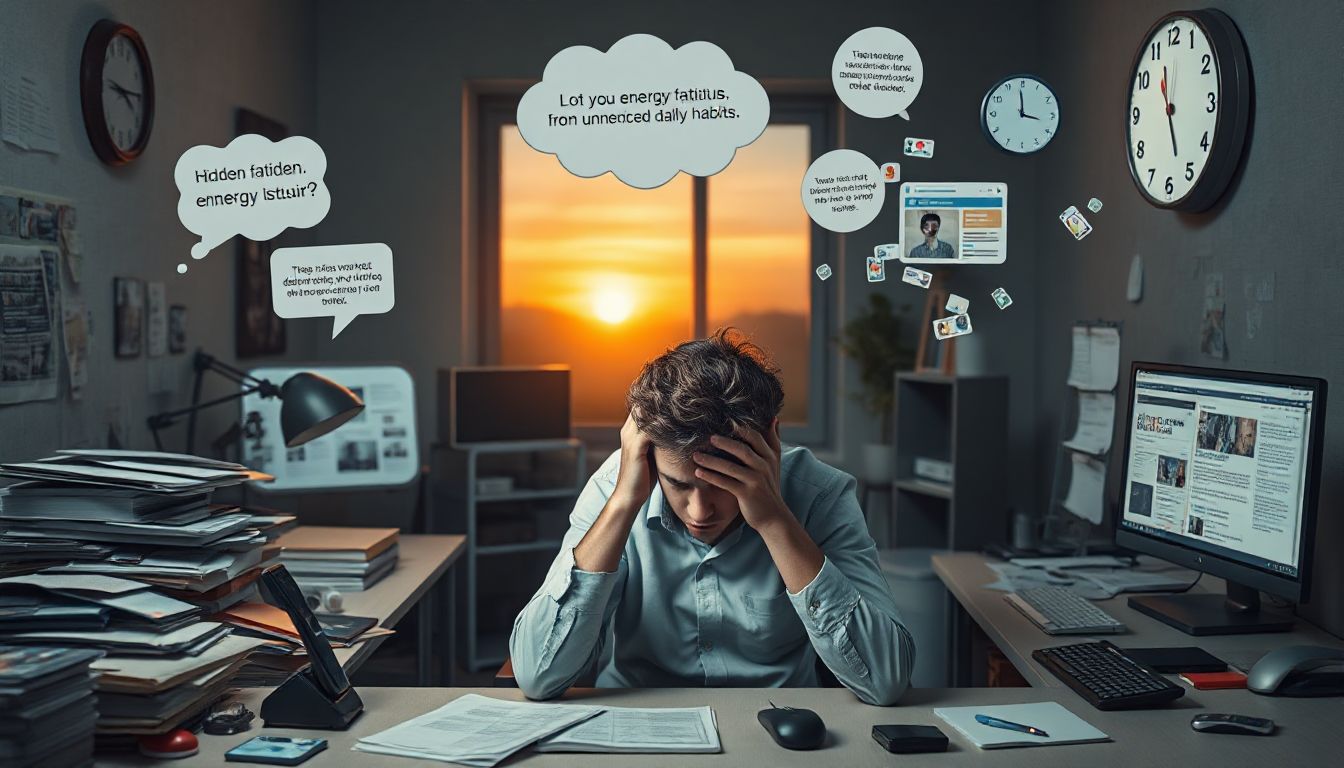
7 Hidden Habits That Secretly Drain Your Mental Energy Every Day (And How to Stop Them)

7 Hidden Habits That Secretly Drain Your Mental Energy Every Day (And How to Stop Them)

People feel mentally exhausted more often than ever. It hits your productivity, mood, and health. Many don’t realize tiny habits are quietly wearing down your mental reserves. Over time, these small actions can sap your energy without warning. Knowing what drains you—so you can stop it—is key to feeling more alive and focused every day.

Recognizing the Silent Energy Sappers

Why do some habits fly under the radar but pack a punch? They seem harmless at first, but their effects add up. Think about it—glance at your phone first thing in the morning or multitask during work. These small acts seem minor but can lead to a foggy mind.

Studies show that mental fatigue isn’t just about the job. It’s driven by everyday choices and routines. For example, research links constant interruptions to decreased focus and increased stress. Getting specific on what drains mental bandwidth helps you fight back. Let’s identify these sneaky habits and learn simple ways to stop them.

Habit #1: Multitasking Without Focus

How Multitasking Undermines Mental Energy

Trying to do several things at once sounds efficient but actually hampers your brain. Every time you switch tasks, your mind needs to reset, which drains energy and slows progress. This switch costs you time and focus—called cognitive switching costs.

Studies reveal that multitasking leads to more mental fatigue and fewer completed tasks. You might think you’re saving time, but all it really does is tire you out faster.

Practical Strategies to Improve Focus

  • Use time-blocking: dedicate specific chunks for one task.
  • Practice single-tasking: focus on one thing at a time.
  • Try the Pomodoro Technique: work for 25 minutes, then take a 5-minute break.
  • Seek advice from cognitive psychologists on “deep work”—meaning undistracted, fully focused effort.

Habit #2: Excessive Screen Time Beyond Work Hours

The Impact of Screen Overload on Mental Reserves

Scrolling through social media or binge-watching shows eats into your mental energy. Blue light messes with your sleep, and constant notifications distract your mind. This overload increases stress and reduces mental clarity. So, your mental reserves get drained just by being online too much.

How to Create Healthy Screen Habits

  • Set device-free zones in your home.
  • Limit screen time before bed—use apps to monitor.
  • Take regular breaks and do eye exercises.
  • Commit to digital detox periods during the day or week to refresh your brain.

Habit #3: Neglecting Adequate Sleep

The Critical Role of Sleep in Mental Energy

Sleep is like charging your phone. Without enough rest, cognitive functions decline sharply. Sleep deprivation leads to forgetfulness, slow thinking, and poor decision-making. Making sleep a priority recharges your mental batteries.

Tips for Better Sleep Hygiene

  • Establish a consistent sleep schedule, even on weekends.
  • Create a calming bedtime routine—read or listen to soothing music.
  • Turn off screens at least 30 minutes before sleep.
  • Avoid caffeine after midday and heavy meals late at night.

Habit #4: Cluttered Environment and Poor Organization

How Disorganization Drains Mental Resources

A messy desk or cluttered room nags your brain, forcing it to process unnecessary visual information. This visual chaos increases mental load and decision fatigue—wearing you out slowly. It’s like trying to look for a lost key in chaos.

Strategies for Creating an Organized Space

  • Declutter your work and living areas weekly.
  • Use storage bins and labels to keep things tidy.
  • Adopt minimalism: keep only what you need.
  • Make a habit of 5-minute daily tidying to maintain order.

Habit #5: Suppressing Emotions and Avoiding Stress Management

The Hidden Cost of Emotional Suppression

Pushing down feelings might seem easier at first but costs mental energy over time. Suppressing emotions increases mental strain, leading to exhaustion. Plus, unresolved stress compounds daily.

Developing Healthy Stress Management Techniques

  • Practice mindfulness or meditation daily.
  • Write in a journal to process feelings.
  • Talk to friends or a therapist when overwhelmed.
  • Doing these helps clear mental clutter and makes you more resilient.

Habit #6: Poor Nutrition and Hydration

Nutrition’s Role in Sustaining Mental Energy

What you eat directly affects how your brain functions. Sugary foods can cause crashes, while balanced meals boost focus. Dehydration leads to tiredness and poor concentration. Fueling your body properly keeps your mental engine running.

Making Nutrition and Hydration a Priority

  • Snack on nuts, berries, and lean protein.
  • Drink water consistently—aim for at least 8 glasses daily.
  • Reduce caffeine and sugar to avoid crashes.
  • Incorporate brain-boosting foods like salmon and dark chocolate into your diet.

Habit #7: Overcommitting and Saying Yes Too Often

The Toll of Overextension on Mental Resources

Taking on too many tasks wears you thin fast. It causes decision fatigue—where each choice becomes harder. Overcommitment leads to stress, mistakes, and fatigue.

How to Set Boundaries and Manage Commitments

  • Learn to say no politely but firmly.
  • Prioritize tasks based on their impact.
  • Delegate responsibilities when you can.
  • Protect your time for rest and personal goals.

Conclusion

Small habits tend to fly under the radar but can secretly drain your mental energy daily. Multitasking, screens, poor sleep, clutter, emotional suppression, nutrition, and overcommitment all chip away at your mental strength. Recognizing these sneaky habits is the first step. Implement simple changes—like focusing on one task, setting boundaries, or tidying your space—and you’ll notice a boost in your mental clarity and resilience. Staying mindful and making gradual adjustments build lasting mental vitality. Tiny daily actions, over time, can transform your mental energy into your greatest asset.

Saturday, July 5, 2025

Top 7 Hidden Causes of Brain Fog — And How to Fix Them Naturally


Brain Fog

Chronic brain fog can leave you feeling lost in a mental haze. It’s that dull, heavy feeling that makes thinking hard. You might forget words, struggle to focus, or feel exhausted even after a good night's sleep. It impacts your work, relationships, and overall mood. Finding the real cause helps you target the fix, rather than just masking symptoms. Many hidden culprits are right in front of us—often overlooked but easy to address with natural steps.

Understanding Brain Fog: What Every Reader Needs to Know

Brain fog isn’t just in your head; it’s a real issue affecting millions. It’s often misdiagnosed as tiredness or stress, but it’s more about a decline in mental clarity. Chronic fog sticks around, making everyday life tough. Your brain needs clarity to stay sharp, productive, and happy. When mental fog persists, it signals an imbalance or health issue—knowing what’s behind it is key to fixing it naturally.

Hidden Cause 1: Chronic Stress and Cortisol Imbalances

How stress affects brain function

Stress triggers your body to release cortisol, a hormone meant to help you handle emergencies. But when stress sticks around, cortisol levels stay high. This harms parts of your brain like the hippocampus, which helps you remember. It also affects the prefrontal cortex, responsible for decision-making. Constant stress weakens your mind’s ability to stay clear and alert.

Natural ways to reduce stress and balance cortisol

  • Practice mindfulness or meditation daily to calm your mind.
  • Deep breathing exercises can reduce immediate stress.
  • Use herbs like Ashwagandha or Rhodiola, known for their adaptogenic properties.
  • Create simple routines, such as regular walks or quiet time, to lower stress levels naturally.

Hidden Cause 2: Food Sensitivities and Nutritional Deficiencies

Common foods that impair cognitive function

Many foods can slow down your brain. Gluten, dairy, processed sugars, and artificial additives often lead to brain fog. These trigger inflammation or food sensitivities that negatively affect cognition. Reducing or eliminating these foods may clear your mental haze.

Key nutrients vital for brain health

  • Omega-3 fatty acids found in fish and flaxseed.
  • B-vitamins for energy and nerve health.
  • Magnesium to relax nerves and improve sleep.
  • Antioxidants from berries and dark leafy greens fight brain inflammation.

How to identify and address sensitivities

Begin by removing common trigger foods for at least a few weeks. Gradually reintroduce them one at a time to see how your mind reacts. Focus on nutrient-dense foods and consider supplements if needed. Many natural remedies for brain fog revolve around better eating habits.

Hidden Cause 3: Poor Gut Health and Microbiome Imbalance

The gut-brain connection explained

Your gut and brain are tightly linked. An unhappy gut—full of bad bacteria—can send signals that cause mental fog. A healthy gut produces good chemicals that support brain function. When the gut’s out of balance, your clarity suffers.

Signs of gut dysbiosis linked to brain fog

Bloating, irregular bowel habits, food sensitivities, and low energy could point to gut issues. If your digestion isn’t right, your brain likely isn’t functioning at its best either.

Natural remedies to support gut health

  • Eat fermented foods like yogurt, sauerkraut, or kimchi daily.
  • Increase fiber intake with fruits, vegetables, and whole grains.
  • Use probiotic supplements to boost good bacteria.
  • Limit antibiotic use and avoid environmental toxins that disturb gut balance.

Hidden Cause 4: Lack of Quality Sleep and Sleep Disorders

Why sleep is critical for cognitive function

Sleep allows your brain to reset, repair, and consolidate memories. When you don’t sleep well or suffer from sleep disorders, your mental sharpness drops drastically. Forgetfulness, poor concentration, and mood swings follow.

Natural strategies to improve sleep quality

  • Stick to a regular bedtime and minimize screen time before sleep.
  • Sip calming herbal teas like chamomile.
  • Magnesium supplements can relax your muscles and promote rest.
  • Consider natural melatonin if sleep is inconsistent or disrupted.

Address underlying issues like sleep apnea or restless leg syndrome holistically for better results.

Hidden Cause 5: Environmental Toxins and Electromagnetic Pollution

Exposure sources of toxins and EMFs

Chemicals in cleaning products, heavy metals, Wi-Fi signals, and smartphone use are common sources of environmental toxins. These substances can overwhelm your detox system and cause oxidative stress in your brain.

How toxins impair brain function

Toxins lead to neuroinflammation and damage brain cells. Over time, this buildup can cause persistent brain fog and decrease mental clarity.

Practical steps to minimize exposure

  • Use natural cleaning products and air purifiers at home.
  • Reduce time spent close to Wi-Fi routers or turn off devices overnight.
  • Incorporate detoxifying foods like chlorella, cilantro, and lemon water.
  • Wear shielding devices if necessary to block electromagnetic fields.

Hidden Cause 6: Hormonal Imbalances (Thyroid, Estrogen, Cortisol)

Impact of hormonal health on mental clarity

Imbalances in hormones like thyroid, estrogen, or cortisol can cloud your mind. Thyroid issues often cause sluggishness, while excess estrogen can lead to foggy thinking. Adrenal fatigue from cortisol imbalance results in exhaustion and poor focus.

Natural ways to rebalance hormones

  • Support your thyroid with selenium and zinc.
  • Use herbal adaptogens like holy basil or ginseng.
  • Manage stress through breathing, yoga, or meditation.
  • Consult holistic practitioners for personalized approaches like acupuncture or herbal medicine.

Hidden Cause 7: Sedentary Lifestyle and Lack of Physical Activity

The connection between movement and mental sharpness

Exercise boosts blood flow to the brain, increasing oxygen supply. It promotes neuroplasticity, helping your mind stay agile. Sitting for too long can worsen brain fog and decrease energy levels.

Actionable tips to incorporate movement

  • Take a brisk 10-minute walk every hour.
  • Practice yoga or stretch at home daily.
  • Add strength training to your routine twice a week.
  • Break long periods of sitting with simple standing or movement exercises.

Regular physical activity isn’t just good for your body—it’s vital for a clear, focused mind.

Conclusion

Brain fog has many hidden causes, but most are manageable naturally. Stress, diet, gut health, sleep quality, toxins, hormones, and lifestyle all play a role. By addressing these areas holistically, you can restore mental clarity and vitality. Start by identifying which factors may be affecting you, then take small steps with natural remedies. Clear your mind and boost your mood by making simple, effective changes today. Your sharp, energized self is waiting.

Thursday, July 3, 2025

Signs Your Brain Is Overstimulated (And How to Calm It Down)


Image

Introduction,

Our brains are constantly working—processing everything from our thoughts to what we see, hear, and feel. But sometimes, they get overwhelmed. This overload, called brain overstimulation, can leave us feeling anxious, tired, and unfocused. In today's world, with so much tech and information, many of us experience this more often than we realize. Recognizing when your brain is overstimulated is key to protecting your mental health and staying balanced.

What Is Brain Overstimulation?

Definition and Explanation

Brain overstimulation happens when your mind receives too much input at once. It’s like trying to concentrate in a noisy, chaotic room. Your sensory system and thoughts become overloaded, making it hard to think clearly or relax. It’s not just mental; your body feels it too, with physical signs like headaches or fatigue. Simply put, your brain is trying to process more than it can handle comfortably.

Causes of Brain Overstimulation

Modern life fuels overstimulation in many ways. Constant notifications, social media scrolling, and multitasking keep the mind busy nonstop. External triggers like loud noises, bright lights, or crowded areas can add to the overload. On top of that, internal factors such as stress, anxiety, or exhaustion also play a big role. All these elements push your brain beyond its limits, making it hard to find calm.

The Science Behind Overstimulation

Neuroscience shows that when your brain handles too many stimuli, neural pathways become overactive. This causes an imbalance in neurotransmitters like dopamine and serotonin, which influence mood and focus. Recent studies reveal that persistent overstimulation can lead to decreased brain plasticity, meaning it becomes harder to adapt or recover from stress. In essence, overload weakens your brain’s ability to function smoothly.

Recognizing the Signs of an Overstimulated Brain

Physical Symptoms

When your brain is overwhelmed, your body shows it. Common signs include headaches or migraines that won’t let up. You might feel drained, with tiredness creeping in even after a full night’s sleep. Sleep issues such as trouble falling asleep or restless nights also hint at overstimulation. If these signs persist, chances are your brain needs a break.

Mental & Emotional Signs

Feeling restless or unable to focus? That’s a clue. An overstimulated brain often makes it difficult to concentrate on tasks. You may notice increased irritability or rapid mood swings, even over small frustrations. Anxiety levels can spike unexpectedly, and feelings of being overwhelmed become common. This mental chaos makes daily life harder—so recognizing it becomes urgent.

Behavioral Indicators

People with an overstimulated brain might withdraw from social activities or avoid certain environments. Decision-making becomes tough—any choice feels overwhelming. You may find yourself constantly checking your phone or craving more stimulation, even when tired. These behaviors indicate your mind is begging for a break.

Effects of Chronic Overstimulation on Mental Health

Impact on Cognitive Function

Long-term overstimulation can harm your ability to focus or remember things. Learning new info gets harder, and small details may slip away faster. Decision fatigue sets in, leaving you exhausted from making choices. It’s like your brain's battery gradually drains, affecting daily functioning.

Connection to Anxiety and Depression

Repeated overstimulation can worsen mental health. Overloaded brains tend to boost anxiety levels and even lead to depressive feelings. Research shows that constant sensory input heightens stress responses, making it harder to stay calm. If ignored, this can turn into chronic anxiety or depression over time.

Long-term Consequences

Without proper management, overstimulation can cause burnout, where you feel emotionally depleted. Productivity drops, and relationships suffer as you become easily irritated or withdrawn. This cycle damages overall well-being and makes recovery harder, emphasizing the need for effective calming strategies.

Strategies to Calm an Overstimulated Brain

Immediate Relief Techniques

To quickly soothe your mind, try mindful breathing exercises. Deep inhales and slow exhales help lower stress. Taking a short digital detox—turning off your devices—can instantly reduce sensory overload. Creating a calm environment with dim lights and quiet space also helps reset your mental state.

Lifestyle Changes for Long-term Balance

Building routines to unplug regularly is vital. Dedicate time each day for mindfulness or meditation to train your brain to better handle stress. Schedule leisure activities—like walks or hobbies—that bring joy without digital distractions. These habits prevent overload and promote mental resilience.

Technology Management Tips

Set firm boundaries for device use. Limit your social media and news intake, especially during work or before bed. Use tools like app blockers or notification controls to reduce constant alerts. Consider scheduled digital detox periods—day or weekend breaks to fully disconnect and recharge.

Professional Support and Resources

If overstimulation persists, consulting a mental health professional can be helpful. Cognitive therapy or counseling can teach specific coping skills. Many apps focus on meditation and relaxation techniques—like Headspace or Calm—that support mental calmness. Don’t hesitate to seek help if your mental health begins to suffer.

Expert Insights and Recommendations

Neuroscientist Dr. Daniel Siegel emphasizes the importance of intentional time offline to restore brain balance. Psychologist Dr. Susan David highlights mindfulness as a key tool for managing overload. Recent studies confirm that managing overstimulation improves focus, reduces anxiety, and boosts overall well-being. Experts agree on the importance of taking breaks and practicing self-care.

Key Takeaways and Final Tips

Watch out for signs like headaches, irritability, and decision fatigue—these are warning signals that your brain needs a break. Make daily habits like unplugging, practicing mindfulness, and setting boundaries a priority. Self-care becomes an essential part of preventing overload. Trust your instincts—listen to your mental signals and prioritize your emotional health. Remember, it’s okay to step back and breathe.

Conclusion

Managing brain overstimulation isn’t just about avoiding discomfort; it’s about safeguarding your mental health. Being aware of the warning signs can help you act before overload takes a toll. Small daily changes—like taking breaks, limiting screen time, and practicing relaxation—make a big difference. Your mind’s health is worth it. Take control, stay mindful, and give your brain the calm it deserves.

Wednesday, July 2, 2025

5 Powerful Ways to Naturally Detox Your Brain & Unlock Mental Clarity

 Intro:

In today’s fast-paced world, mental fog, fatigue, and poor sleep have become all too common — especially in the United States.


But the root cause often lies in toxins accumulating in your brain.

Good news? You can detox your brain naturally with proven strategies that work.

Here are 5 expert-backed ways to reset your mind and reclaim your focus.

1. Prioritize Deep, Restful Sleep

Poor sleep is one of the biggest contributors to brain fog and low energy.

✅ Try magnesium-rich foods

✅ Turn off blue-light screens at night

✅ Consider natural supplements like [Pineal XT]

2. Support Your Pineal Gland

Your pineal gland controls sleep, hormones, and mental clarity.

Toxins like fluoride can block it.

✅ Drink filtered water

✅ Get sunlight early morning

✅ Use detox supplements with ingredients like iodine & shilajit

๐Ÿ”— [Link to Pineal XT affiliate page]

3. Practice Breathwork Daily

Simple breathing techniques help flush stress and boost oxygen flow.

Try the 4-4-6 method:

Inhale for 4 seconds → Hold 4 seconds → Exhale for 6 seconds.

4. Eat Brain-Boosting Foods

Foods rich in antioxidants can reverse brain inflammation.

๐Ÿฅ‘ Avocados

๐Ÿซ Blueberries

๐Ÿฅฌ Leafy greens

๐ŸŒฐ Walnuts

5. Use a Natural Brain Detox Supplement

Scientific studies suggest that natural blends like Pineal XT support brain detox, improve sleep, and activate the pineal gland.

๐Ÿ‘‰ Click here to learn more and get Pineal XT: [Insert your affiliate link]

Conclusion:


Your mind deserves clarity, focus, and calm.

By making simple daily changes — and using proven natural support — you can detox your brain and feel your best again.


Tuesday, July 1, 2025

๐Ÿง  ๐—ข๐˜‚๐—ฟ ๐— ๐—ถ๐—ป๐—ฑ ๐—œ๐—ป ๐—ง๐—ฟ๐—ผ๐˜‚๐—ฏ๐—น๐—ฒ: ๐—ช๐—ต๐˜† ๐— ๐—ฒ๐—ป๐˜๐—ฎ๐—น ๐—›๐—ฒ๐—ฎ๐—น๐˜๐—ต ๐—œ๐˜€ ๐—ง๐—ต๐—ฒ ๐—ฅ๐—ฒ๐—ฎ๐—น ๐—ฆ๐—ถ๐—น๐—ฒ๐—ป๐˜ ๐—˜๐—ฝ๐—ถ๐—ฑ๐—ฒ๐—บ๐—ถ๐—ฐ ๐—ถ๐—ป ๐—”๐—บ๐—ฒ๐—ฟ๐—ถ๐—ฐ๐—ฎ


๐Ÿงฉ Introduction: What’s Happening to Our Minds?

In today’s fast-paced, overstimulated world, mental health issues have quietly become the biggest health crisis in the USA. From anxiety and depression to burnout and sleep disorders, millions are suffering — but few talk about it openly.

According to the National Alliance on Mental Illness (NAMI), 1 in 5 adults in the U.S. experience mental illness each year. That’s over 50 million people silently struggling.

๐Ÿ˜“ Why Are So Many Americans Mentally Exhausted?

Several modern-day triggers are fueling this mental health epidemic:

Chronic stress from work or finances

Digital overload & social media addiction

Poor diet and lack of sleep

Isolation and lack of real connection

Unresolved trauma or emotional neglect

These issues compound over time, leaving the mind fatigued, the body weak, and motivation drained.

๐Ÿ’ฅ Common Signs Your Mental Health Needs Attention

It’s not always obvious, but these signs may be warning signals:

Constant tiredness or brain fog

Difficulty focusing or making decisions

Mood swings or irritability

Trouble falling asleep or oversleeping

Feeling hopeless or unmotivated

Digestive issues or chronic pain without a medical cause


๐ŸŒฟ Natural Ways to Support Your Mental Health

Instead of relying only on pills, many Americans are turning to natural mind-body solutions:

1. ๐Ÿง˜ Deep Meditation & Breathwork

Just 10 minutes of daily mindfulness can rewire your brain and reduce stress levels dramatically.

2. ๐Ÿ›️ Quality Sleep Is Non-Negotiable

Lack of sleep = mental fog + emotional instability. Try a natural sleep support like Pineal XT to restore restful sleep and brain clarity.

3. ๐Ÿฅ— Brain-Boosting Diet

Eat more Omega-3s, greens, and antioxidant-rich foods. Cut processed sugar and caffeine overload.

4. ๐Ÿšถ Daily Movement

Even a 15-minute walk outdoors can lower cortisol and improve your mood.

5. ๐ŸŒฟ Natural Supplements for Brain Detox

Many people are now using pineal gland activators and natural nootropics like Pineal XT to cleanse the brain and boost intuition, sleep, and focus.

๐Ÿ’ก Final Thoughts: Prioritize Your Mind Like You Do Your Body

Mental health is not a luxury. It’s a necessity.
If you're feeling off — overwhelmed, anxious, or low — don’t ignore it. Healing your mind is the first step toward living your best life.

You are not alone.
You are not broken.
You are human — and your mind deserves care.

✅ Recommended:

๐Ÿ‘‰ Click here to discover Pineal XT – https://tinyurl.com/mwm49zf5A powerful brain detox & sleep support supplement
It’s helped thousands in the U.S. regain clarity, peace, and deep sleep naturally.

Vital Soul Secrets | Better Sleep, Mental Clarity & Wellness Tips

 Maintaining your internal clock is vital for restorative sleep and daily energy. The pineal gland plays a central role in this process by p...